正在加载页面 · Loading page
Urban systems · Rotterdam
Cities measure what is easy to measure.
I build the datasets nobody commissioned: noise at 3am, which benches get used, how far a wheelchair actually travels between two addresses. Four years of it, all published and deliberately boring.

Approach
A measurement is an argument about what counts.

Every dataset a city publishes encodes a decision about what was worth the sensor. Traffic gets counted continuously; pedestrians get counted twice a decade by someone with a clipboard. The gap is not technical.
So my work is mostly unglamorous instrumentation: cheap sensors, public methodology, and results that are checkable by anyone who disagrees with them.
01
Find the unmeasured
Usually something residents complain about and no department owns.
02
Instrument it cheaply
A method nobody can replicate for under a thousand euros is a favour.
03
Publish the raw data
Including the runs that contradict the conclusion. Especially those.
Selected work
Four datasets
Four studies from the last three years. Each links out to where the data actually lives.
Field study · 2026
Night noise, 40 streets
Twelve months of continuous readings on streets the city samples once a year. The annual number was wrong in both directions.
View project →
Field study · 2025
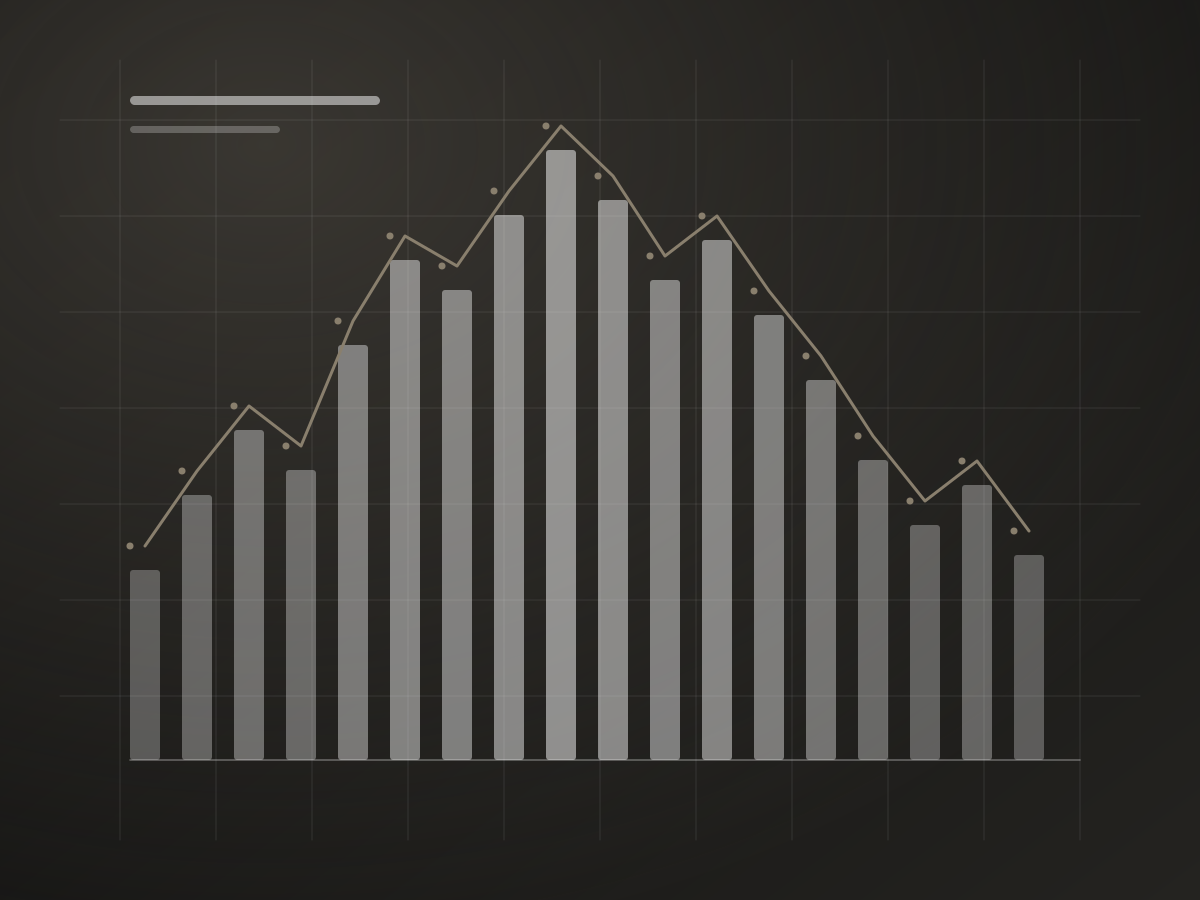
Which benches get used
61% of seating in the study area was occupied under ten minutes a day. Shade predicted use better than location.
View project →
Method · 2025
Step-free distance
Routing that refuses stairs, then comparing the result to the walking time the transit app promises. The gap averaged 2.4×.
View project →
Field study · 2024
Where the rain goes
Surface flooding mapped from resident photographs, timestamped against the rain gauge two kilometres away.
View project →
Tools
What I actually use
Short list on purpose. Most of the work is fieldwork.
Collect
- Arduino
- Raspberry Pi
- KoboToolbox
- Audio loggers
Analyse
- R
- Python
- QGIS
- PostGIS
Publish
- Quarto
- Observable
- CKAN